The Ultimate Guide to Personalized Metal Address Signs
A personalized metal address sign does more than display your house number. It helps visitors find your home, improves curb appeal, and adds a detail that feels made specifically for your property. The best sign balances style with visibility, so it looks great without making the numbers difficult to read.
This guide explains what to consider before ordering a custom address sign, including size, design, placement, color, material, and personalization.
Why Choose a Personalized Metal Address Sign?
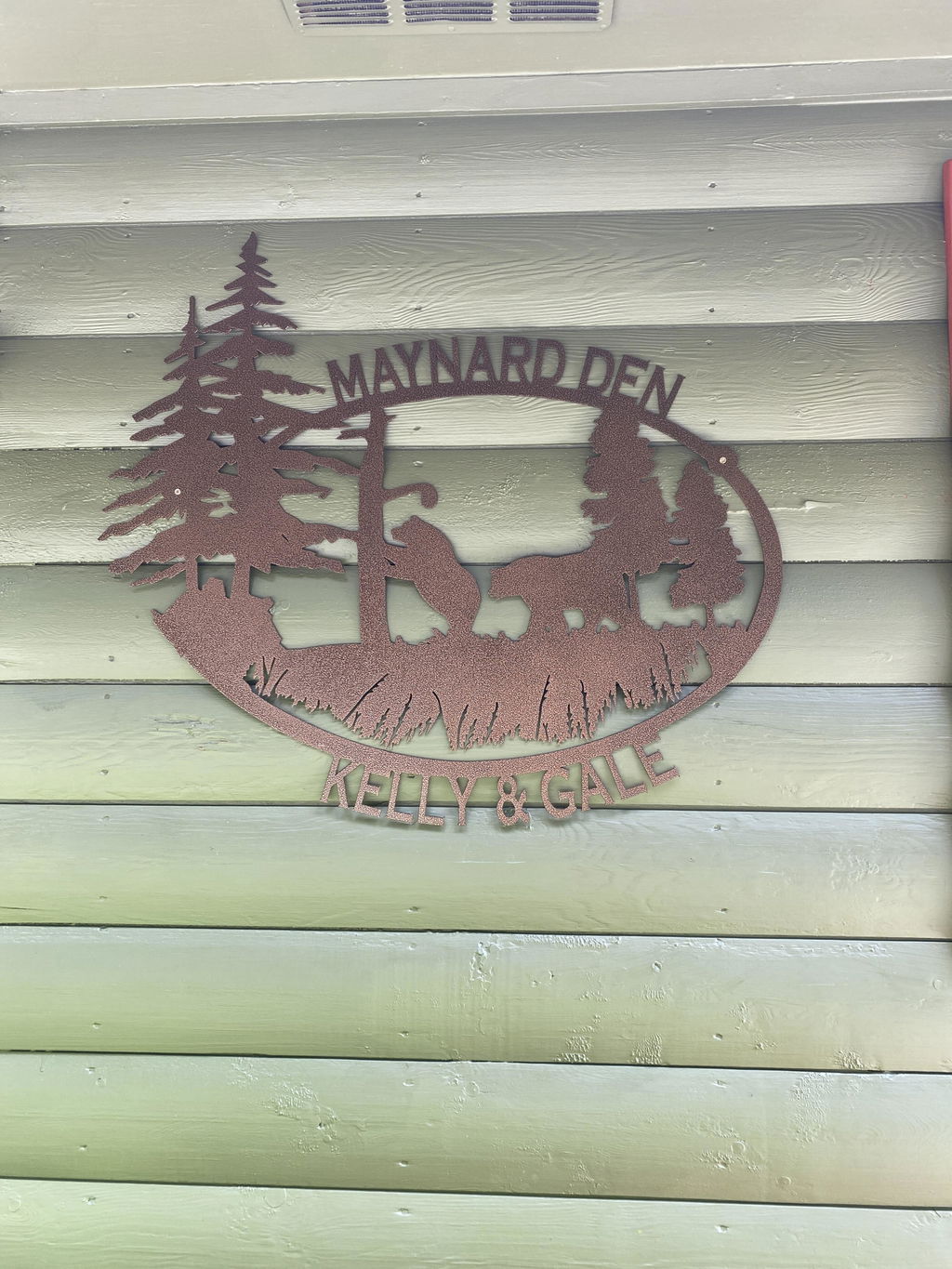
Standard address plaques can be useful, but they often look generic and may not match the character of the home. A personalized metal sign can combine house numbers with a family name, street name, monogram, wildlife scene, farm design, or another theme that reflects the property.
Metal is also a strong choice for long-lasting decor. At Rusty Rooster Metal, our made-to-order signs are cut from durable steel and finished with powder coating. This creates a clean, finished appearance suitable for indoor use or protected outdoor display.
Start With Readability
The most important job of an address sign is making the property easy to identify. Decorative details should support the design rather than compete with the house numbers.
Choose a number style with clear shapes and enough open space around each digit. Thin, crowded, or highly decorative numbers may be harder to read from the road. Strong contrast between the sign and the surface behind it also improves visibility.
Consider the viewing distance
A sign mounted beside a front door can be smaller than one placed on a mailbox, fence, gate, or long driveway entrance. The farther away the viewer will be, the larger the numbers and overall sign should be.
- Close viewing: Porch, entryway, or beside the front door.
- Medium viewing: Garage, mailbox, or short driveway.
- Long-distance viewing: Fence, gate, ranch entrance, or rural roadside.
Choose the Right Sign Size
Sign size should be based on the available wall space, viewing distance, and amount of personalization. A design containing only house numbers can stay compact. Adding a last name, street name, established date, or detailed artwork requires more room.
Before ordering, measure the installation area and use painter’s tape to outline the proposed dimensions. Step back to the distance where most people will see the sign. This simple test helps determine whether the sign will feel balanced and whether the numbers will appear large enough.
When a design includes detailed artwork or several lines of text, choosing a larger size usually produces a cleaner finished result.
Select a Style That Fits the Property
The most effective address sign looks like it belongs with the home. Consider the architecture, landscaping, exterior colors, and surrounding decor.
Popular design directions
- Farmhouse: Family names, simple lettering, barns, tractors, or rustic scenes.
- Farm and ranch: Horses, cattle, wildlife, gates, or western-inspired elements.
- Traditional: Monograms, framed numbers, scrollwork, and balanced layouts.
- Modern: Clean lines, bold numbers, simple silhouettes, and minimal decoration.
- Nature-inspired: Trees, cardinals, deer, mountains, lakes, or outdoor scenes.
A personalized design does not need to include every possible detail. A simple composition with one strong theme is often easier to read and more visually appealing.
Pick a Color With Strong Contrast
Color affects both appearance and readability. A black sign often stands out well against light brick, stone, siding, or wood. Lighter finishes can work well against dark backgrounds. The goal is to avoid a sign color that blends into the mounting surface.
Also consider nearby trim, shutters, doors, railings, and exterior lighting. Matching an existing accent color can help the sign feel coordinated with the rest of the property.
Understand the Benefits of Powder-Coated Steel
Powder coating creates a durable, even finish that gives steel signs a polished appearance. Unlike a quick coat of ordinary paint, powder coating is applied as a dry material and cured to form a consistent surface.
Steel also allows detailed designs to be cut while maintaining a solid, substantial feel. The final durability depends on the design, thickness, installation, and exposure. For the best service life, follow the product’s placement and care recommendations, especially in harsh outdoor environments.
Decide What to Personalize
House numbers should remain the priority, but additional personalization can make the sign more meaningful. Common choices include:
- Family last name
- Street name
- Established year
- Farm or ranch name
- Initial or monogram
- Favorite animal, hobby, or landscape
Double-check all spelling and numbers before submitting the order. Personalized products are created from the information provided, so accuracy matters.
Choose the Best Placement
Place the sign where it can be seen without being blocked by plants, vehicles, columns, or seasonal decorations. Good locations include near the front entrance, above the garage, on a mailbox structure, beside a gate, or on a fence facing the road.
Think about visibility during both daylight and nighttime. Existing porch lights, landscape lighting, or reflective surroundings may affect how easily the address can be seen after dark.
Plan the Mounting Method
The correct mounting hardware depends on the sign design and the surface. Wood, masonry, metal siding, and posts each require different fasteners. Some signs can be mounted flat, while others look especially attractive with spacers that create dimension and shadows behind the metal.
Use hardware appropriate for the sign’s weight, installation surface, and weather exposure. When mounting to brick, stone, or other masonry, consult the hardware manufacturer’s directions or a qualified installer.
Common Mistakes to Avoid
- Choosing a sign that is too small for the viewing distance.
- Using overly decorative numbers that are difficult to identify.
- Selecting a color that blends into the background.
- Adding too many words or design elements.
- Installing the sign where landscaping or parked vehicles block it.
- Submitting incorrect spelling or house numbers.
Frequently Asked Questions
What size should a metal address sign be?
The right size depends on viewing distance, mounting space, and the amount of artwork or text. Larger signs are generally better for roadside, gate, fence, and long-driveway placement.
Can a personalized metal sign include a family name?
Yes. Many address signs combine house numbers with a last name, street name, established year, monogram, or themed artwork.
What color is easiest to read?
The easiest color to read is one that creates strong contrast with the mounting surface. Dark signs generally stand out against light backgrounds, while lighter signs can work well on dark surfaces.
Are metal address signs good gifts?
A personalized address sign can make a memorable housewarming, wedding, anniversary, or new-home gift because it is created for a specific family and property.
Find the Right Personalized Sign for Your Home
A well-designed address sign should be clear, durable, and personal. Start with readable numbers, select a size appropriate for the viewing distance, and choose a design that complements the property rather than overwhelming it.
Explore our personalized metal signs, or visit Rusty Rooster Metal to see more made-to-order metal art and custom sign ideas.
It’s always a good sign with Rusty Rooster Metal.
About Rusty Rooster Metal
Rusty Rooster Metal is a family-owned fabrication shop in Sulphur, Oklahoma. Owner Ben Stewart brings more than 18 years of fabrication experience and handles each sign from design through completion. Current signs are made to order, primarily from 16-gauge American steel, and finished with durable powder coating. Learn more about Rusty Rooster Metal.